
Modafinil vs Adderall Key Differences in Effectiveness and Side Effects
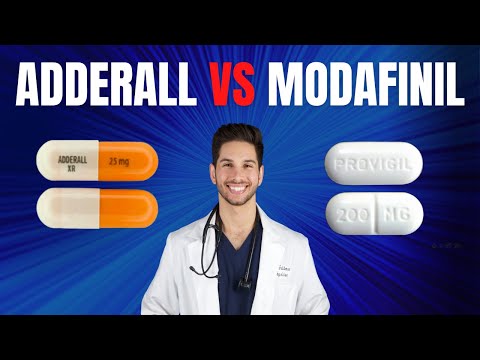
While both are used to enhance wakefulness, Modafinil and Adderall differ significantly in their mechanism and side effects, as Modafinil is a eugeroic that promotes alertness without the intense dopamine spike, whereas Adderall is a potent amphetamine-based stimulant that boosts focus and energy via norepinephrine and dopamine release. This fundamental chemical distinction makes Modafinil a popular choice for conditions like narcolepsy and shift work sleep disorder, while Adderall is primarily prescribed for ADHD and severe fatigue. Understanding these differences is crucial for selecting the right cognitive enhancer for your needs.
Core Mechanisms of Action
The core mechanism of action in any effective system hinges on a defined input, a transformative process, and a measurable output. This causal chain, from stimulus to response, is governed by specificity and feedback loops. Understanding these operational triggers is the cornerstone of predictable performance, whether in pharmacology, engineering, or digital algorithms. For a pharmaceutical agent, the mechanism is a molecular lock-and-key interaction; for software, it is a sequence of conditional logic. The precision of this interaction determines both efficacy and safety.
The relentless optimization of these causal pathways is what separates functional design from chaotic failure.
Therefore, mastering mechanism means mastering the sequence of transformation—a deterministic framework where every action is a calculated reaction, leaving no room for ambiguity in the pursuit of a desired result.
Modafinil: Dopamine Reuptake Inhibitor (Weak)
Core mechanisms of action in pharmacology describe how a drug produces its therapeutic effect at the molecular level. These mechanisms typically involve binding to specific receptors, such as G protein-coupled receptors or ion channels, to trigger a cascade of cellular signals. Alternatively, a drug may inhibit an enzyme, blocking a key metabolic pathway, or modulate gene expression by interacting with DNA. Many agents function as agonists, activating a response, while others act as antagonists, blocking endogenous ligands. Understanding these processes is crucial for designing targeted therapies with fewer side effects. For instance, receptor tyrosine kinase inhibitors demonstrate a precise mechanism by halting cancer cell proliferation.
Adderall: Amphetamine-Based Dopamine and Norepinephrine Releaser
The engine of a language model hums not with gears, but with probabilities. At its core, it predicts the next word in a sequence, trained on vast text corpora to guess what follows a prompt like “Once upon a time, the dragon…”. This prediction relies on transformer architecture, which uses self-attention to weigh every word against every other, capturing long-range dependencies. By converting words into vectors in a high-dimensional space, the model maps meaning and context, then decodes it back into human language.
To sharpen this process, the model undergoes multiple training phases. First, pre-training on raw internet data teaches grammar and facts. Then, fine-tuning with curated examples aligns its outputs to human preferences, using techniques like reinforcement learning from human feedback (RLHF).
- Tokenization: Breaks text into smaller units (e.g., “playing” → “play” + “ing”) for efficient processing.
- Self-Attention: Assigns importance scores to tokens, e.g., in “The dog chased its tail,” “its” links to “dog.”
- Decoding: Chooses the next token via temperature or top-k sampling to balance creativity vs. accuracy.

Quick Q&A:
Q: Why don’t these models “think” like humans?
A: They lack consciousness—they are pattern-matching calculators, remixing data into plausible sequences, not reasoning beings.
FDA-Approved Indications
The U.S. Food and Drug Administration (FDA) evaluates new drugs and devices through rigorous scientific review to ensure they are safe and effective for specific conditions. On the basis of clinical trial data, the agency grants market authorization for a particular use, known as an FDA-approved indication. These indications define the precise patient population, dosage, and disease stage for which a product has proven benefits that outweigh its risks. Expanding an indication requires additional trials and a supplemental application. **FDA-approved indications** thus serve as the legal and medical standard for prescribing, guiding clinicians in evidence-based treatment. Off-label use, while legal, falls outside this official framework and lacks the same regulatory oversight. Understanding these designated uses is critical for patient safety and effective healthcare delivery, as they represent the highest level of regulatory endorsement for a therapeutic product. The scope and specificity of an indication ensure that therapies are applied only where proven effective, minimizing potential harm from inappropriate use. This regulatory system ultimately supports public health by distinguishing proven therapies from unsubstantiated claims, with **clear indications** forming the foundation of trustworthy medical practice.
Modafinil: Narcolepsy, Shift Work Sleep Disorder, Obstructive Sleep Apnea
The FDA ensures that any approved medication or device has a clear, legally defined purpose. This is called its FDA-approved indication, meaning the specific condition or disease the product is proven to treat safely. Doctors can prescribe drugs “off-label” for other uses, but the official indication is what the manufacturer can legally market. For example, a common pain reliever might have an indication for arthritis, while a cancer drug is strictly indicated for certain tumor types. These indications are based on rigorous clinical trials, not guesswork.
Understanding these indications helps you and your doctor make informed choices. Common categories include:
- Chronic conditions: like diabetes, hypertension, or high cholesterol.
- Infections: such as bacterial sinusitis or urinary tract infections.
- Mental health disorders: including depression, anxiety, or ADHD.
- Oncology: specific cancers like breast, lung, or melanoma.
Adderall: Attention Deficit Hyperactivity Disorder (ADHD), Narcolepsy
FDA-approved indications represent the precise, legally recognized medical conditions for which a drug or device has been proven safe and effective through rigorous clinical trials. Navigating FDA-approved indications is critical for ensuring patient safety and regulatory compliance. Once granted, these indications dictate all marketing, prescribing, and reimbursement practices, creating a clear boundary between approved uses (on-label) and investigational ones (off-label). For pharmaceutical companies, an FDA indication is the definitive green light for a product’s therapeutic claims, directly influencing market access and physician trust. For healthcare providers, it is the authoritative guide for treatment decisions, minimizing legal exposure and optimizing patient outcomes. Without this designation, no drug can legally market its benefits for a specific disease. Therefore, securing and adhering to approved indications is non-negotiable for any responsible clinical strategy.
Chemical Structure and Classification
Deep within every substance lies a secret language of atoms, bonded by invisible forces that define matter itself. Chemical structure is this precise arrangement of atoms within a molecule, dictating everything from a diamond’s hardness to water’s fluidity. Organic chemistry classifies these structures primarily by carbon skeletons—chains, rings, or branched networks—and by functional groups, those reactive clusters like hydroxyl (-OH) or carboxyl (-COOH) that bestow unique properties. This classification system allows chemists to predict behavior: a single double bond changes an oil into a solid fat, while a swapped atom transforms a harmless compound into a potent drug. Understanding chemical structure and classification turns a chaotic soup of elements into a predictable, storytelling map of creation, revealing how subtle atomic differences shape our material world.
Modafinil: Benzhydryl Sulfinylacetamide (Non-Amphetamine Wakefulness-Promoting Agent)
Chemical structure and classification form the bedrock of chemical science, dictating every substance’s properties and reactivity. A compound’s architecture—dictated by the arrangement of atoms and chemical bonds—directly controls its behavior, from melting point to toxicity. This structure guides precise classification into major categories: organic (carbon-based, often from living matter), inorganic (non-carbon, including metals and salts), and organometallic (hybrids bridging both worlds). Within these, further sorting by functional groups (like alcohols or carboxylic acids) or molecular geometry (linear or cyclic) enables chemists to predict reactions and design materials with pinpoint accuracy. Mastering this system is non-negotiable for advancing pharmaceuticals, polymers, or any applied chemistry field.
Adderall: Mixed Amphetamine Salts (Schedule II Controlled Substance)
Chemical structure defines how atoms are arranged and bonded within a molecule, dictating its unique properties and reactivity. This arrangement is primarily determined by covalent bonds, ionic interactions, and molecular geometry, which together influence everything from melting point to biological activity. Organic compound classification systematically groups molecules based on their carbon backbone and functional groups—specific atom clusters that impart characteristic behaviors, such as hydroxyl groups in alcohols or carbonyl groups in ketones. Chemists classify substances into major categories like aliphatic hydrocarbons (chains) and aromatic compounds (rings), alongside inorganic acids, bases, and salts. This structural framework allows for predicting chemical behavior, synthesizing new materials, and understanding life’s molecular machinery.
| Structural Feature | Example Class | Key Property |
|---|---|---|
| Carbon chain | Alkanes | Nonpolar, low reactivity |
| Hydroxyl group (-OH) | Alcohols | Polar, hydrogen bonding |
| Benzene ring | Aromatics | Stable, unique electron cloud |
Q&A
Q: Why is functional group classification important?
A: It allows chemists to predict reactivity and design targeted syntheses, from pharmaceuticals to polymers.
Onset and Duration of Effects
The onset and duration of effects are critical pharmacokinetic variables that dictate therapeutic utility. Rapid onset is paramount for acute symptom relief, such as in migraine abortives or rescue inhalers, where seconds to minutes separate relief from suffering. Conversely, a delayed onset, often engineered for sustained-release formulations, ensures stable plasma concentrations and reduced dosing frequency. The duration of effect, from hours to days, determines patient compliance and treatment success. A compound with a short half-life requires strict adherence, whereas a prolonged effect offers convenience but risks accumulation and toxicity.
Mastering these two parameters—when a drug acts and for how long—is the difference between a failure and a pharmaceutical breakthrough.
Clinicians leverage this interplay to design regimens that maximize efficacy while minimizing adverse events, making the precise prediction of onset and duration the cornerstone of rational pharmacotherapy.
Modafinil: Slow Onset (30-60 Minutes), Long Duration (12-15 Hours)
The onset of effects refers to the time it takes for a substance or intervention to produce noticeable results after administration, while duration describes how long those effects persist before diminishing. These parameters are influenced by factors such as dosage, route of intake, and individual metabolism. Understanding onset and duration is critical for optimizing therapeutic outcomes. For example, oral medications typically have a slower onset than intravenous injections but may offer longer duration due to gradual absorption. Key distinctions include:
- Rapid onset: Often seen with inhaled or sublingual substances, producing effects within minutes.
- Extended duration: Common with sustained-release formulations or lipid-soluble compounds that accumulate in tissues.
Q: Why does onset vary between individuals?
A: Factors like age, liver function, stomach contents, and genetic differences in enzyme activity can alter absorption and metabolism, shifting both onset time and effect duration.
Adderall: Fast Onset (20-30 Minutes), Duration Varies (IR: 4-6 Hours, XR: 10-12 Hours)
The onset of effects kicks in rapidly, often within minutes, as the active compounds hit your system and trigger immediate sensations. This initial surge sets the stage, but the duration extends for hours, slowly tapering off as your body metabolizes the substance. Understanding onset and duration is key to managing your experience safely. Key factors influencing this timeline include:
- Dosage strength (higher doses delay onset but prolong duration)
- Method of consumption (inhalation vs. ingestion)
- Individual metabolism and tolerance
Peak effects typically arrive between 30-60 minutes, creating a dynamic window where intensity is highest. After that, the experience gradually fades, leaving a residual influence that can last several more hours depending on the compound and environment.
Primary Effects on Cognition and Energy
Primary effects on cognition and energy are immediate, striking the brain like a lightning bolt. A lack of sleep or poor nutrition instantly dulls mental sharpness, creating sluggish recall and fuzzy focus. The brain, a voracious energy consumer, crashes when deprived of glucose or quality rest. Cognitive decline manifests as slowed processing and indecision, while physical energy plummets, making even simple tasks feel monumental. These foundational changes underpin all higher mental functions, proving that cognitive performance relies directly on biological fuel.
Without stable energy, the brain defaults to survival mode, sacrificing complex thought for basic function.
This creates a vicious cycle where depleted energy worsens cognition, and poor cognitive habits further drain energy reserves. To restore peak performance, one must prioritize sleep, hydration, and balanced meals as the bedrock of mental stamina and vibrant energy.
Modafinil: Enhances Wakefulness, Improves Working Memory, Reduces Fatigue
When your brain’s running low on fuel, every single task feels harder. That sluggish, brain-fogged state is a direct result of primary effects on cognition and energy, where your mental speed and clarity take a nosedive. Sleep deprivation or poor nutrition can strip away your ability to focus, making even simple decisions feel monumental. You might notice you’re forgetting names, struggling to absorb new info, or feeling unusually irritable. The energy drain also hits your motivation—you’ll find yourself reaching for caffeine just to get through the afternoon slump. Cognitive fatigue often mimics the symptoms of burnout, affecting both memory recall and problem-solving speed. Key impacts include:
- Slower reaction times
- Reduced attention span
- Lower mental stamina
In short, when your energy drops, your thinking gets hazy and sluggish.
Adderall: Increases Focus, Boosts Motivation, Elevates Alertness, Enhances Physical Energy
Cognitive function and energy levels are deeply intertwined, as your brain is a massive energy hog. When your mental reserves are low, even simple tasks like deciding what to eat or focusing on a sentence can feel exhausting. This is often due to primary effects like poor sleep, dehydration, or blood sugar crashes, which starve the brain of fuel. Key signs of this cognitive-energy drain include:
- Brain fog: difficulty concentrating or remembering details.
- Sluggish processing: slower reaction times and problem-solving.
- Mood swings: irritability or lack of motivation.
The brain energy metabolism directly powers attention, memory, and decision-making. Without steady glucose and oxygen, these cognitive processes sputter, leaving you mentally drained and physically tired.
Common Side Effects
Common side effects are a predictable reality for most medications, but understanding them empowers you to manage your health effectively. The most frequent occurrences include nausea, drowsiness, and mild dizziness, all of which typically subside as your body adjusts. It is crucial to recognize that these reactions are not signs of failure but normal biological responses. By arming yourself with knowledge about common side effects, you can distinguish between harmless temporary discomfort and symptoms that require medical attention. Always remember that your healthcare provider prescribes treatments based on a favorable risk-benefit ratio, and experiencing these transient issues often means the medication is actively working. Do not let fear of minor side effects deter you from pursuing effective treatment. Instead, view them as manageable hurdles on your path to recovery.
Modafinil: Headache, Nausea, Anxiety, Insomnia, Dry Mouth
After the first dose, many people notice an immediate, puzzling tremor in their hands, like a gentle earthquake running through their fingertips. This common side effect often fades within hours, but for some, it lingers into days of mild nausea and a headache that feels like a taut rubber band. Less frequent reactions include fatigue or dizziness, which usually pass quickly. Managing treatment side effects becomes a daily dance of listening to your body and noting its signals. Most patients find these disruptions tolerable, a brief price for the promise of relief ahead.
Adderall: Loss of Appetite, Elevated Heart Rate, Insomnia, Anxiety, Irritability
Common side effects are typically mild and manageable, often resolving as your body adjusts to a new medication. These can include nausea, dizziness, fatigue, or digestive changes. While uncomfortable, most do not require medical attention. However, it’s crucial to monitor for serious medication reactions like severe allergic responses or unusual bleeding. Many people experience headaches or dry mouth, which can often be alleviated with hydration and rest. A dynamic approach to managing these effects involves:
- Staying well-hydrated and eating light meals
- Noticing how your body feels after each dose
- Consulting your doctor before stopping any treatment
Persistent or worsening symptoms should never be ignored; always report them to your healthcare provider promptly.
Abuse Potential and Dependence
The abuse potential of a substance refers to its inherent pharmacological properties that make it likely to be used for non-medical purposes, often to achieve a euphoric or rewarding effect. This potential is influenced by factors such as the speed of onset, intensity of the reward, and the drug’s mechanism of action. Dependence liability encompasses both psychological and physiological adaptation to the substance, characterized by tolerance—requiring larger doses to achieve the same effect—and withdrawal symptoms upon cessation. Physical dependence involves the body’s neurochemical adaptation, while psychological dependence manifests as an intense craving for the substance. These risks vary widely across drug classes, with opioids and stimulants generally carrying a high potential for both abuse and dependence, whereas other substances may produce minimal physical withdrawal. A comprehensive risk assessment is crucial for informed prescribing and public health strategies to mitigate these adverse outcomes.
Modafinil: Low Abuse Potential, Limited Euphoria, Low Dependence Risk
Abuse potential and dependence hinge on how a substance interacts with the brain’s reward system. Understanding the neurobiological mechanisms of addiction is critical for risk assessment. Compounds that trigger rapid dopamine release often carry a high abuse liability. Dependence manifests as tolerance—needing more to achieve the same effect—and withdrawal, a painful physiological state upon cessation. Key factors include speed of onset, duration of effect, and route of administration. For example, opioids, stimulants, and benzodiazepines typically score high on these scales due to their powerful euphoric and sedative properties.
Psychological dependence can persist long after physical withdrawal symptoms subside.

Clinical management requires differentiating between physical habituation and compulsive drug-seeking behavior, as the latter defines addiction as a chronic brain disease. The risk scales from low (e.g., SSRIs) to catastrophic (e.g., fentanyl).
Adderall: High Abuse Potential, Significant Euphoria, Moderate to High Dependence Risk
Abuse potential and dependence refer to how likely a substance is to hook you, either through intense cravings or physical withdrawal. Substance addiction risks vary widely, with some compounds triggering rapid tolerance and compulsive use. For example, opioids and stimulants often carry high abuse potential due to their fast-acting reward pathways. Dependence can be psychological (you feel you need it to function) or physical (your body adapts and reacts if you stop). Key signs include:
- Needing more of the substance to get the same effect (tolerance)
- Feeling sick or irritable when you skip a dose (withdrawal)
- Strong urges to use despite negative consequences
Remember, even legal substances like alcohol or certain prescription meds can lead to dependence. Understanding these factors helps you make informed choices about what you put into your body.
Drug Interactions
In the quiet of a morning routine, Sarah reached for her daily supplements and prescribed heart medication, unaware that a silent conflict was about to brew inside her body. Drug interactions occur when one substance affects the activity of another, potentially altering its intended effect. Common drug interactions can amplify side effects or reduce efficacy, turning a helpful pill into a hazard. Sarah’s grapefruit juice, for instance, blocked the enzyme her heart drug needed for metabolism, causing dangerously high levels in her blood. Her case highlights how seemingly harmless combinations—like antacids with antibiotics or herbal remedies with blood thinners—can lead to unexpected outcomes. Healthcare providers must monitor for these risky medication interactions, as they affect millions annually. For Sarah, a simple change in timing and diet restored balance, but the lesson remained vivid: every new pill or supplement writes a new chapter in the body’s chemical story.
Modafinil: Induces CYP3A4 (Reduces Efficacy of Oral Contraceptives, Antidepressants)
Marta’s morning routine once included grapefruit juice, a habit she thought healthy. But when paired with her blood pressure medication, the fruit silently disrupted liver enzymes, causing her drug levels to surge dangerously. Drug interactions occur when substances—other medications, food, or supplements—alter a drug’s effect. Understanding drug interactions is crucial for safe medication management. Common risks include reduced efficacy (e.g., antacids blocking antibiotics) or amplified side effects (e.g., anticoagulants with aspirin causing bleeding). A single unnoticed interaction can turn a remedy into a risk. Always consult a pharmacist or doctor before starting new therapies, herbal remedies, or even certain foods, like aged cheese with MAOIs.
Adderall: Inhibits MAO, Interacts with Antacids, Increases Risk with SSRIs
Drug interactions occur when substances like medications, foods, or supplements alter how a drug works in the body, potentially reducing its effectiveness or causing harmful side effects. These can be categorized into drug-drug, drug-food, and drug-condition interactions. Understanding drug interactions is critical for safe medication management. For example, grapefruit juice can interfere with enzymes that break down certain statins, leading to dangerously high blood levels. Common risk factors include taking multiple prescriptions, being over 65, or using herbal remedies like St. John’s Wort. Always review all medications with a healthcare provider.
Never assume a supplement is safe just because it is natural; many can block or amplify prescription drug effects.
To minimize risks, keep an updated medication list and use one pharmacy modafinil vs adderall for all prescriptions.
Prescription and Legal Status
Prescription and legal status govern access to powerful medications, creating a critical barrier between over-the-counter remedies and controlled substances. A valid prescription is a physician’s legal authorization, ensuring drugs are used under medical supervision to prevent abuse and dangerous side effects. This system classifies substances by their potential for dependency and therapeutic value, with schedules ranging from tightly restricted narcotics to more lenient categories. Understanding these legal boundaries is essential, as possessing certain drugs without a valid prescription can lead to serious criminal penalties. Navigating this framework protects both individual health and public safety, making it a cornerstone of modern pharmaceutical regulation.
Modafinil: Schedule IV Controlled Substance (Lower Restriction)
The regulatory framework governing prescription medicines ensures that drugs with significant potential for harm or abuse are dispensed only under professional supervision. Controlled substance classifications determine the legal restrictions for each medication. These schedules are typically based on factors like accepted medical use, addiction potential, and safety risks. For instance, in the United States, Schedule I substances have no recognized medical use and are illegal to prescribe, while Schedule II–V drugs have decreasing levels of control and require a valid prescription.
Common prescription statuses include:
- Over-the-counter (OTC): Available without a prescription, deemed safe for self-medication.
- Prescription-only (Rx): Require a licensed provider’s authorization, often for drugs with higher risk profiles.
- Controlled substances: Further subdivided into schedules with specific prescribing limits, refill restrictions, and record-keeping requirements.
National laws vary, but most countries enforce similar tiers to balance patient access with public safety.
Adderall: Schedule II Controlled Substance (High Restriction, No Refills)
Prescription drugs are regulated substances that require a licensed medical professional’s authorization before they can be dispensed by a pharmacy. This legal framework, often referred to as prescription drug regulation, categorizes medications based on their potential for abuse and medical necessity. Controlled substances are further scheduled under laws like the U.S. Controlled Substances Act, ranging from Schedule I (high abuse potential, no accepted medical use) to Schedule V (lower abuse potential). Key distinctions in legal status include:
- Prescription-only (POM): Must be prescribed by a doctor; dispensed only by a pharmacist.
- Over-the-counter (OTC): Legally available without a prescription, for self-managed conditions.
- Controlled substances: Subject to stricter storage, record-keeping, and refill limitations.
Violating these laws, such as selling or possessing prescription drugs without a valid prescription, can lead to criminal penalties including fines and imprisonment. The legal status aims to balance patient access with public safety against misuse.
Key Differences in Typical Usage
The most impactful distinction in typical English usage lies between formal and informal registers. For expert communication, choose formal language in academic papers, business reports, or professional correspondence—characterized by precise vocabulary, complete sentences, and avoidance of contractions. Informal English, dominant in emails with colleagues, social media, or casual conversation, relies on phrasal verbs like “figure out” rather than formal equivalents like “ascertain.” Another key difference is the use of passive voice; formal texts use it for objectivity (“The experiment was conducted”), whereas active voice drives most informal speech (“We ran the test”). Mastering these contextual shifts prevents sounding overly stiff in daily chats or inappropriately casual in critical documents, directly enhancing your search engine optimization for professional credibility.
Modafinil: Promotes Sustained Alertness Without Hyperfocus or Euphoria
The English language thrives on its versatility, but key differences in typical usage often trip up non-native speakers and even seasoned writers. Context determines word choice dramatically, as formal settings like business reports demand precise, Latinate vocabulary (“commence,” “subsequent”) while casual conversation favors short, Anglo-Saxon terms (“start,” “next”). Idiomatic expressions further separate registers: “kick the bucket” would never appear in a legal brief, whereas “deceased” sounds robotic in a friendly chat. Consider these contrasting realities:
- Formality: “I require assistance” (formal) vs. “I need a hand” (informal).
- Verb Tense: “I have lived here for years” (present perfect, common in UK) vs. “I lived here for years” (simple past, more typical in US).
- Prepositions: “Different from” (preferred in US) versus “different to” (common in UK).
These nuances, from punctuation style to spelling shifts (colour/color), make English a dynamic, situational tool—mastering them turns correct grammar into compelling communication.
Adderall: Intense Focus, Motivation, and Stimulation for ADHD Symptoms
In everyday chatter, tone and vocabulary shift based on context—a casual text to a friend lacks the precision of a legal document. For instance, formal vs. informal language dictates word choice: you’d request a meeting but ask for a coffee. This split mirrors how we tailor speech to audience, whether proving a point or just sharing a laugh.
Context, not grammar, often rules which words survive the cut.
The same English verb, get, can mean receive, understand, or move—shaped entirely by the speaker’s purpose. A manager’s email opts for acquire; a friend’s text goes with grab. The difference isn’t correctness—it’s rapport.
